Cabinet Glazing: Is It Worth the Upgrade?
A flat, single-color cabinet door and one with a little shadow tucked into its edges can be the same door style and same paint color, and still read as two different kitchens. That second version usually has one thing going on that the first doesn't: cabinet glazing.
Our West Palm Beach kitchen design company gets asked about this finish more than you'd expect — usually by someone who's seen it in a photo and can't quite name what they're looking at. So let's name it.
What Is Cabinet Glazing?
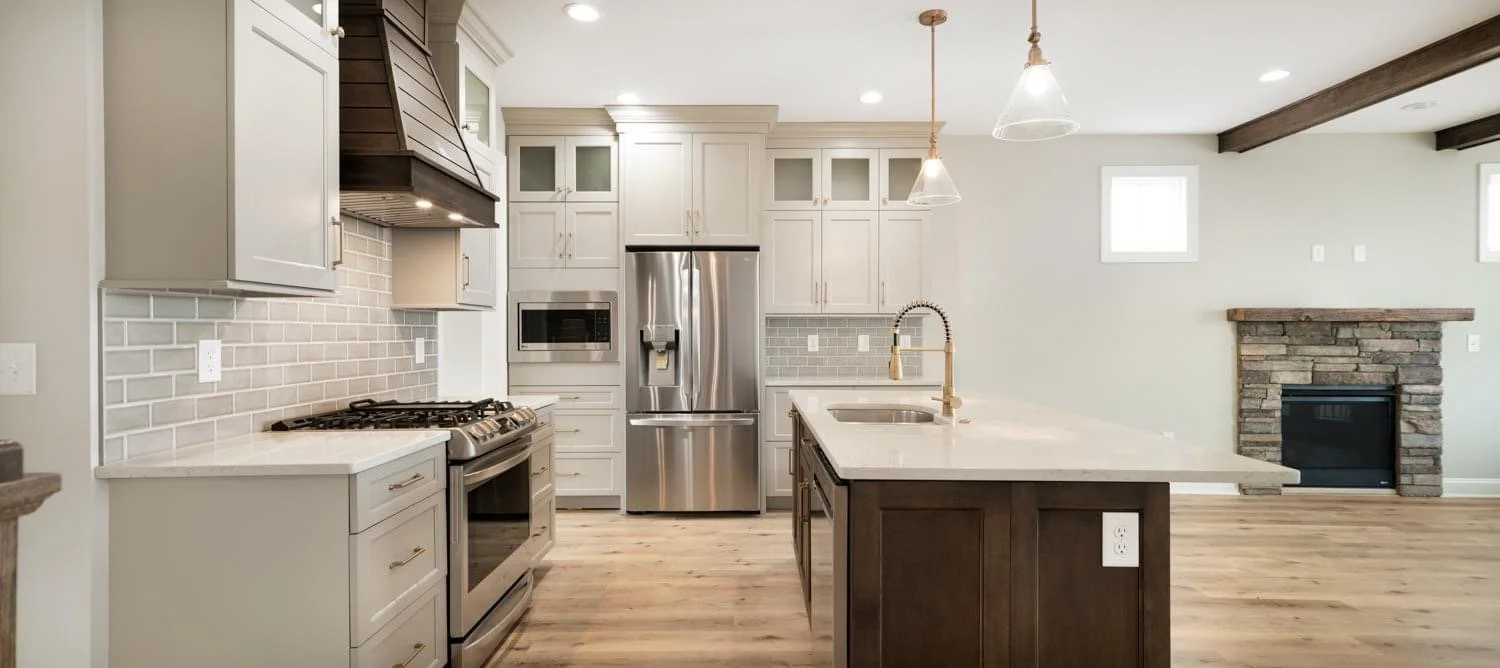
Glazing cabinets means adding a second, translucent layer of color over a painted or stained base coat, then wiping most of it back off by hand. What's left settles into the grooves, corners, and raised details of the door — the parts a flat coat of paint can't reach evenly. That's cabinet glazing, and once you know to look for it, you'll start noticing it everywhere.
It's a handcrafted step, which is part of the appeal. No two glazed doors wipe back exactly the same way, so kitchen cabinet glazing tends to look more custom than a standard painted finish, even on an ordinary door style. Glazing kitchen cabinets has become common enough that Showplace Cabinetry, one of the manufacturers we work with regularly, includes it as a no-charge option across most of their door styles.
Cabinet Glazing Techniques Worth Knowing
Not all glazing looks the same, and the technique matters almost as much as the color. These two cabinet glazing techniques come up most often.
Full-body glazing: The wipe-on, wipe-off method most people picture. Glaze goes on across the whole door, then you pull it back by hand, leaving color pooled in the recesses. It reads as soft and worn-in, which is why it's a natural fit for dark, moody, or traditional kitchens.
Pin-striping: Also called neat glazing, it’s the more controlled version—a thin brush traces straight lines and edges instead of the whole surface. It's more precise, a bit pricier, and gives a crisper look than a full-body wipe.
Door style matters here too. A plain slab or Shaker door doesn't give a glaze much to catch onto, so it stays subtle no matter what. A door with a raised panel or more traditional profile — the kind we cover in our door style guide — gives the glaze far more to work with, so the effect shows up more dramatically.
Some Popular Cabinet Glazing Colors
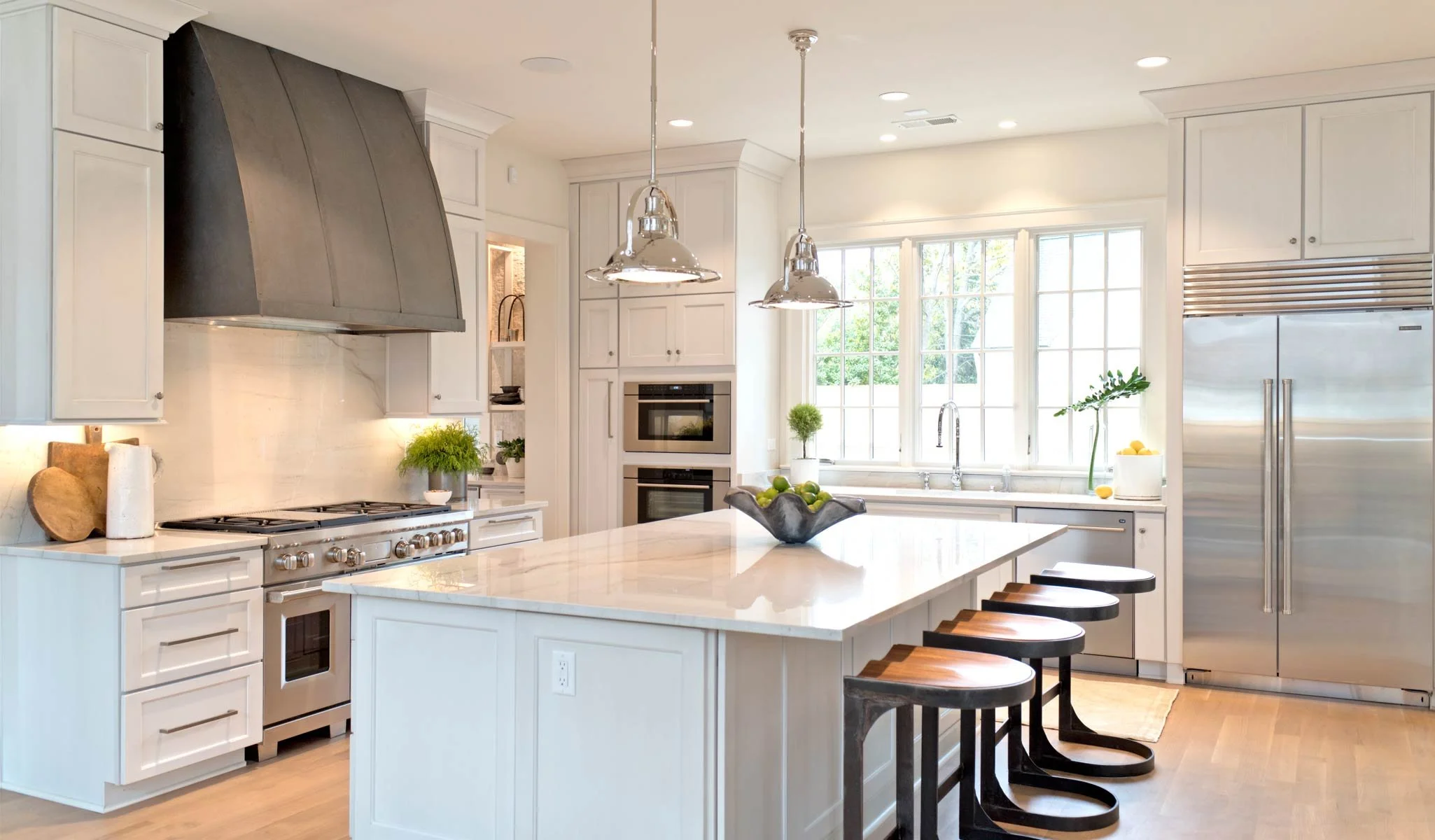
Cabinet glazing colors generally fall into two camps, and picking the right one comes down to temperature more than anything else.
Warm glazes: Think coffee, walnut, or caramel tones — are the classic pairing for cream, taupe, or other warm-toned bases. They lean into that old-world, collected-over-time feeling rather than anything stark.
Cool glazes: Pewter, charcoal, even a soft gray — do something different. Paired with a white or navy base, they read as more current and a little more architectural than antique.
Design Tip: If you're not sure which direction to go, start with a sample door in both a warm and a cool glaze against your actual cabinet color. Glaze reads very differently in a showroom than it does under your own kitchen lighting.
Cabinet Glazing Before and After
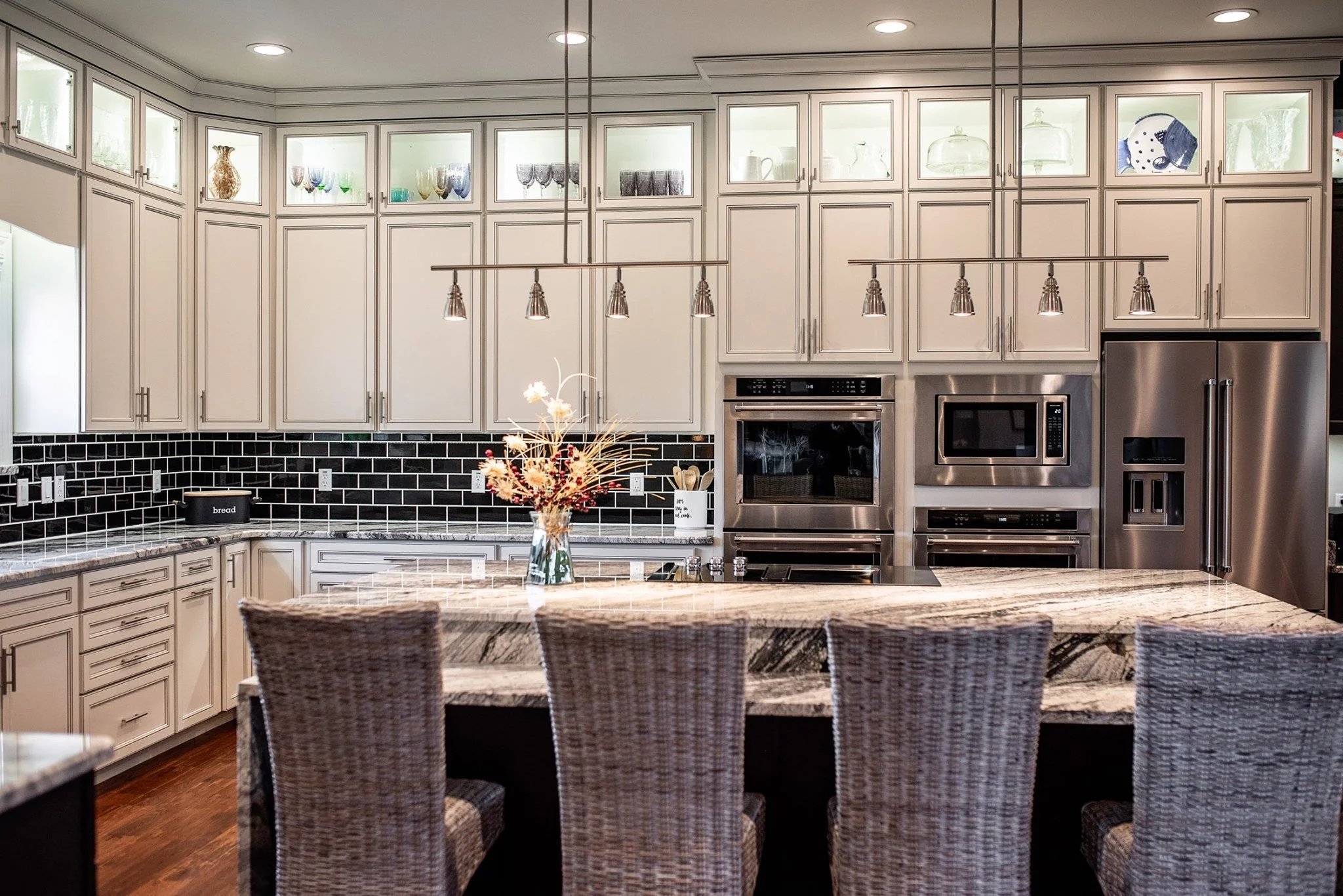
This is where glazing tends to sell itself. Line up before-and-after cabinet glazing photos of the same door style, and the "after" almost always looks more expensive—even when the actual cost difference is fairly modest. That's because glazing doesn't just add color; it adds shadow, and shadow is what makes a flat photograph (or a flat kitchen) look dimensional.
It's a similar idea to what we talked about in our post on painted oak cabinetry — texture and depth tend to read as quality, even to someone who couldn't say exactly why. Glazing is just a different route to that same effect, and it works on cabinet doors in nearly any wood species, painted or stained.
Cabinet Glazing: Is It Worth the Upgrade?
Honestly? It depends on the look you're going for. If you're after something clean and minimal — a contemporary kitchen with sleek lines — glazing probably isn't going to do much for you. It's just not built for that style.
But if you want your kitchen to feel a little more collected, a little worn-in, or more traditional overall, glazing is worth considering. It's also one of the more budget-friendly upgrades out there, since most manufacturers include it as a standard option these days rather than charging extra for it.
If you're still comparing finish options for your remodel, it's a good idea to look at a physical sample before making a final call — photos never quite capture how glazing looks in person.
Timeless Kitchen Design Begins With Curated Kitchen Co.
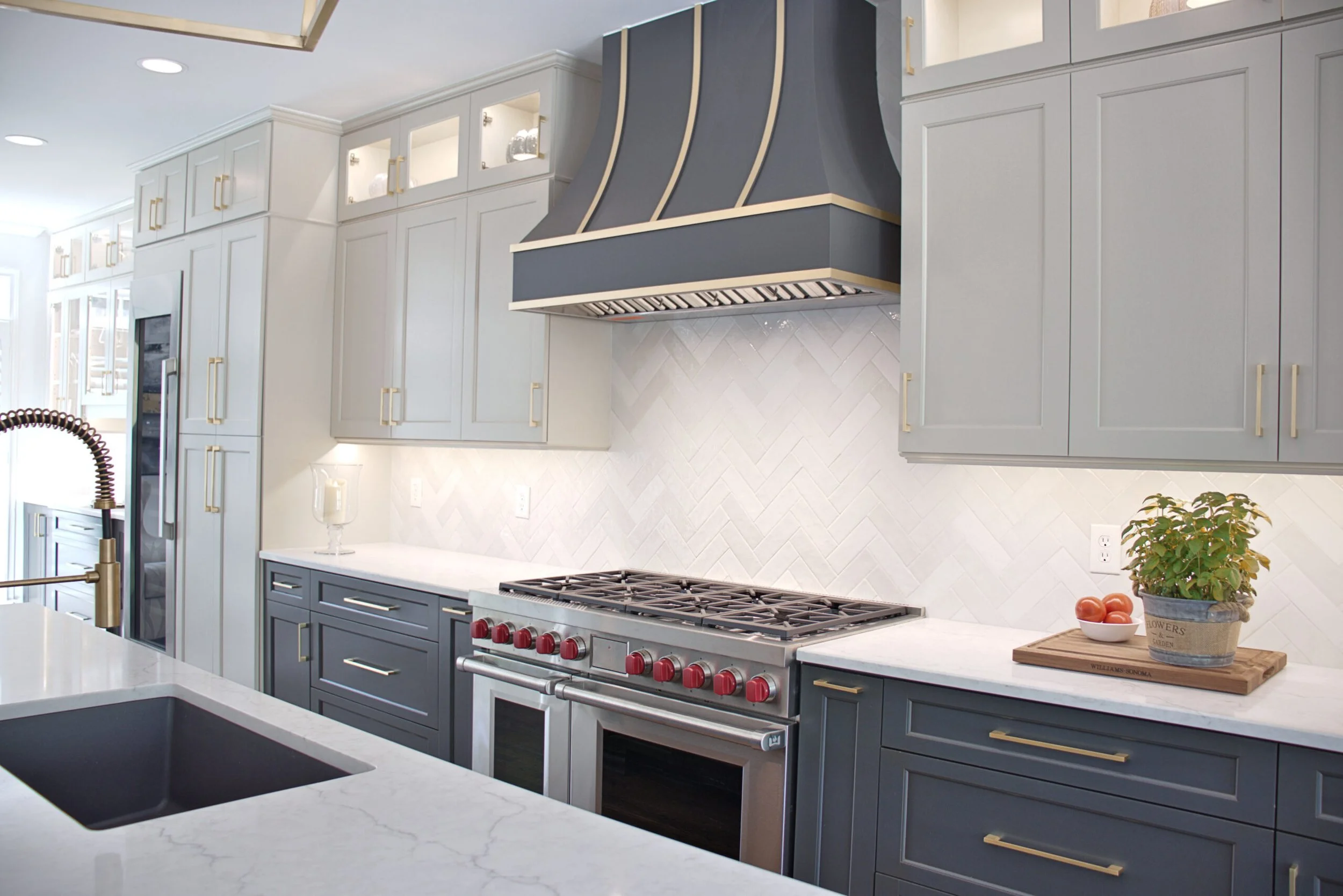
Small detail, big difference — that's glazing in a nutshell. Whatever direction you're leaning- warm and collected or more current- we at Curated Kitchen Co. can help you land on a finish that actually fits your space.
Contact us today to get started.
